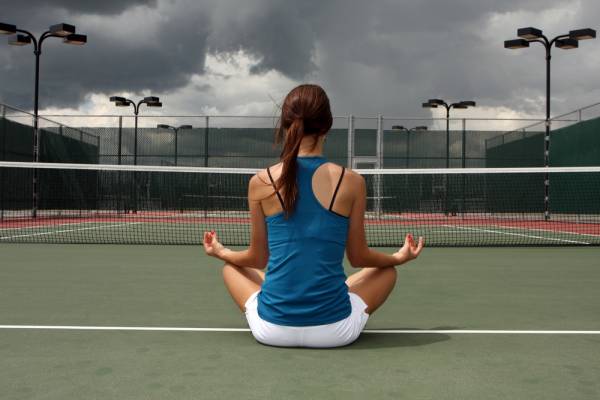
In the dynamic world of sports, where split-second decisions and unwavering focus can make all the difference, the integration of mindfulness has emerged as a game-changer. Far beyond physical prowess, mindfulness in sports offers athletes a holistic approach to performance enhancement, mental resilience, and the cultivation of a champion’s mindset.
The Essence of Mindfulness in Sports: At its core, mindfulness in sports involves being fully present in the current moment, cultivating a heightened awareness of one’s thoughts, emotions, and physical sensations. It’s a practice that transcends the boundaries of the playing field, influencing not only how athletes perform but also how they approach challenges and setbacks.
Enhanced Focus and Concentration: In the fast-paced world of sports, maintaining focus is paramount. Mindfulness techniques, such as breath awareness and visualization, equip athletes with the tools to sharpen their concentration. By training the mind to stay anchored in the present, athletes are better equipped to navigate the intensity of competition with a clear and undistracted mind.
Improved Decision-Making Under Pressure: Mindfulness enhances an athlete’s ability to make split-second decisions under pressure. By fostering a calm and composed mental state, athletes can assess situations more objectively, respond strategically, and adapt to dynamic circumstances with precision. Mindful athletes make informed choices rather than reacting impulsively to stress.
Embracing Resilience and Overcoming Setbacks: Sports are inherently unpredictable, filled with triumphs and challenges. Mindfulness instills mental resilience, helping athletes bounce back from setbacks and maintain a positive mindset. Instead of dwelling on past mistakes or worrying about the future, athletes learn to accept the present moment and channel their energy towards constructive action.
Body-Mind Integration: The mind and body are inseparable components of athletic performance. Mindfulness in sports emphasizes the connection between physical sensations and mental states. By tuning into their bodies, athletes can optimize movement, enhance coordination, and prevent injuries. The result is a harmonious integration of body and mind, allowing for fluid and efficient performance.
Performance Visualization and Mental Rehearsal: Mindfulness practices in sports often include visualization and mental rehearsal. Athletes visualize successful performances, envisioning each movement, play, or routine with vivid detail. This mental preparation enhances muscle memory, builds confidence, and creates a mental blueprint for success.
Mindful Recovery and Injury Prevention: Athletes often push their bodies to the limits, making recovery a crucial aspect of performance. Mindfulness contributes to effective recovery by promoting relaxation, reducing muscle tension, and improving sleep quality. Moreover, it aids in injury prevention by encouraging athletes to listen to their bodies, recognize warning signs, and adopt preventive measures.
Building Team Cohesion: Mindfulness extends beyond individual performance to contribute to team dynamics. Teams that practice mindfulness together develop a collective sense of focus, communication, and mutual support. Mindful athletes are more attuned to the needs of their teammates, fostering a collaborative and cohesive team environment.
Present-Moment Joy in Performance: In the pursuit of excellence, athletes often experience intense pressure and expectation. Mindfulness introduces an element of joy and appreciation for the present moment. Athletes learn to relish the experience of competition, finding fulfillment not only in outcomes but also in the journey of self-discovery and growth.
A Lifelong Skill Beyond the Field: Perhaps one of the most significant benefits of mindfulness in sports is that it equips athletes with a lifelong skill. The mental fortitude, focus, and resilience developed through mindfulness transcend the boundaries of sports, influencing various facets of an athlete’s life long after their competitive days.
 Mindfulness4Students